Got the Keys? A Flat Possession Checklist for Navi Mumbai Before Interior Work Begins
Just got the keys to a flat in Kharghar or Navi Mumbai? Use this possession checklist to catch damp, tiling and wiring faults before interior work begins.

Photo: Pexels/Jakub Zerdzicki
Handover day moves fast. The builder's team walks you round, hands over a bunch of keys and a file of papers, and asks you to sign. This flat possession checklist for Navi Mumbai buyers is about slowing that moment down. At Sejal Modular Kitchen And Interiors, we have been walking into new flats in Kharghar since 2009. Many of the problems we find could have been caught on the first day.
Here is what we check, roughly in the order we check it. Take it with you, go slowly, and write everything down.
Things to check before taking possession of a flat
Start with the papers, before you look at a single tile.
Ask for the possession letter, a copy of the Occupancy Certificate (OC) and keys for every door, window and the electrical panel. The OC is the local authority's confirmation that the building is fit to live in. If the builder can't show it, pause and ask why before you sign anything.
Note the electricity and water meter readings on the day you get the keys, and photograph them. It feels fussy. It also saves an argument about the first bill.
Then keep track of dates. Section 14(3) of the Real Estate (Regulation and Development) Act, 2016 covers this. The builder must fix structural defects and workmanship defects that you report within five years of possession. The repair has to be done within 30 days, at no extra charge. That five-year clock starts on handover day, so your possession date matters.
New flat inspection checklist: water, walls, tiles and points
Water problems are the ones that get expensive later, so start there.
Taps, flushes and drains
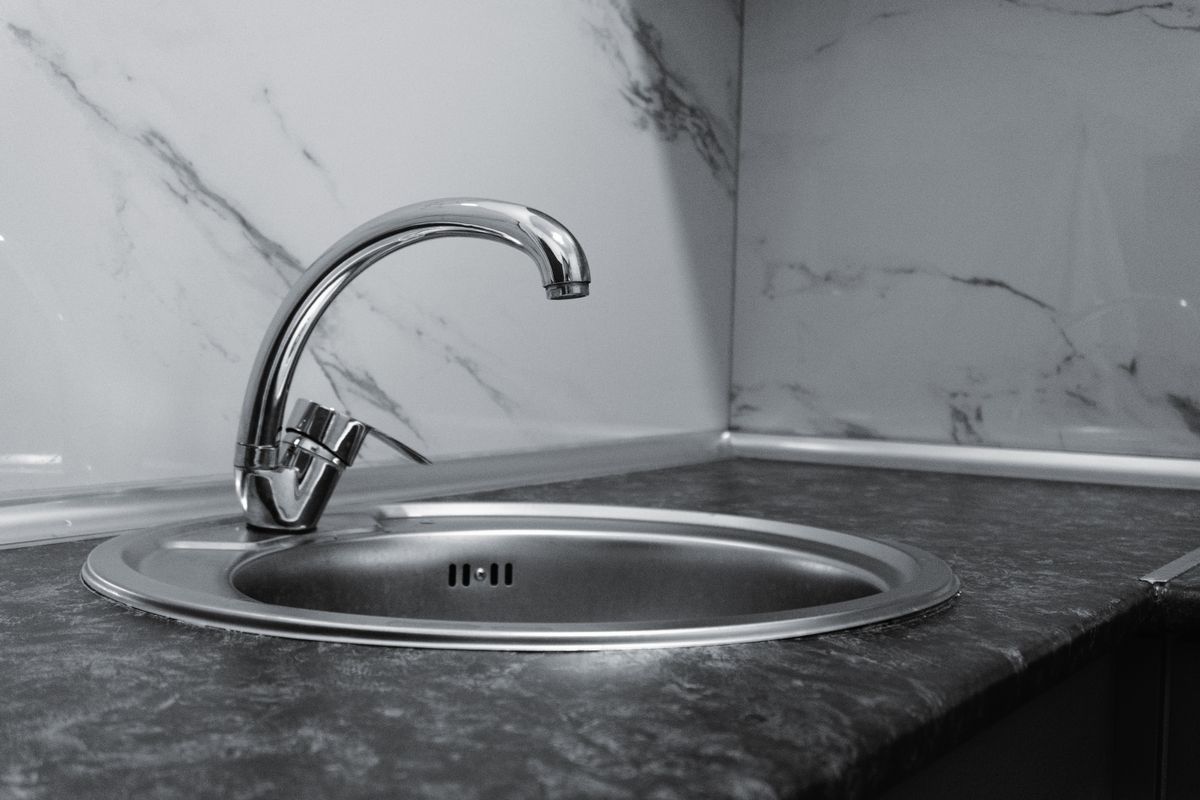
Open every tap and run every shower for a minute. Check the pressure, and look under the wash basin and kitchen sink for drips. Flush each toilet twice.
Now the bucket. You'll feel a little silly carrying a bucket into a brand new flat, but it's the most useful thing you can bring. Pour water on the bathroom and balcony floors and watch where it goes. It should run to the drain, not sit in a corner or creep towards the bedroom door.
Walls and ceilings
Look for damp patches, bubbling paint and white powder on the walls. Check outside walls, the area around windows and any wall shared with a bathroom. If there is a flat above you, look at your bathroom ceiling too.
Taking possession just after the monsoon makes seepage easy to spot. In the dry months, a fresh coat of paint can hide it for a while.
Fine hairline cracks in plaster are common and usually cosmetic. Cracks running through a beam, column or slab are a different matter, and we come back to them below.
Floor and wall tiles
Tap each tile gently with a coin or the back of a key. A hollow sound means the tile isn't fully bonded to the surface underneath, and it may crack or lift later. Mark hollow tiles with masking tape so the builder's team can find them. Also look for chipped edges, uneven joints and tiles that rock underfoot.
Switches, sockets, doors and windows
Try every switch, and carry a phone charger to test each socket. Ask which breaker in the electrical panel controls which room, and label them while you're there.
Check that the AC, geyser and kitchen points are where you will actually need them. Moving a point after possession means cutting into a finished wall. The same goes for the light above your mandir, so decide early where the pooja unit will go.
Every door should close and lock without a push. Slide each window, test the locks and look at the rubber seals, because gaps there let rain in on a windy monsoon day.
Before starting interior work in your new flat
Our view is simple: get every builder repair finished and checked before any carpentry starts.
Once a wardrobe covers a damp wall, or a modular kitchen sits on hollow tiles, the problem is hidden. It becomes harder to repair, and easier for anyone to blame on the interior work. The law gives you five years to report defects, but the evidence is clearest before anything is built over it.
- Send the builder your list in writing. Email works. Attach photos and keep a copy, because the date you reported a defect counts.
- Re-check after the repairs. Run the bucket test again and tap the replaced tiles.
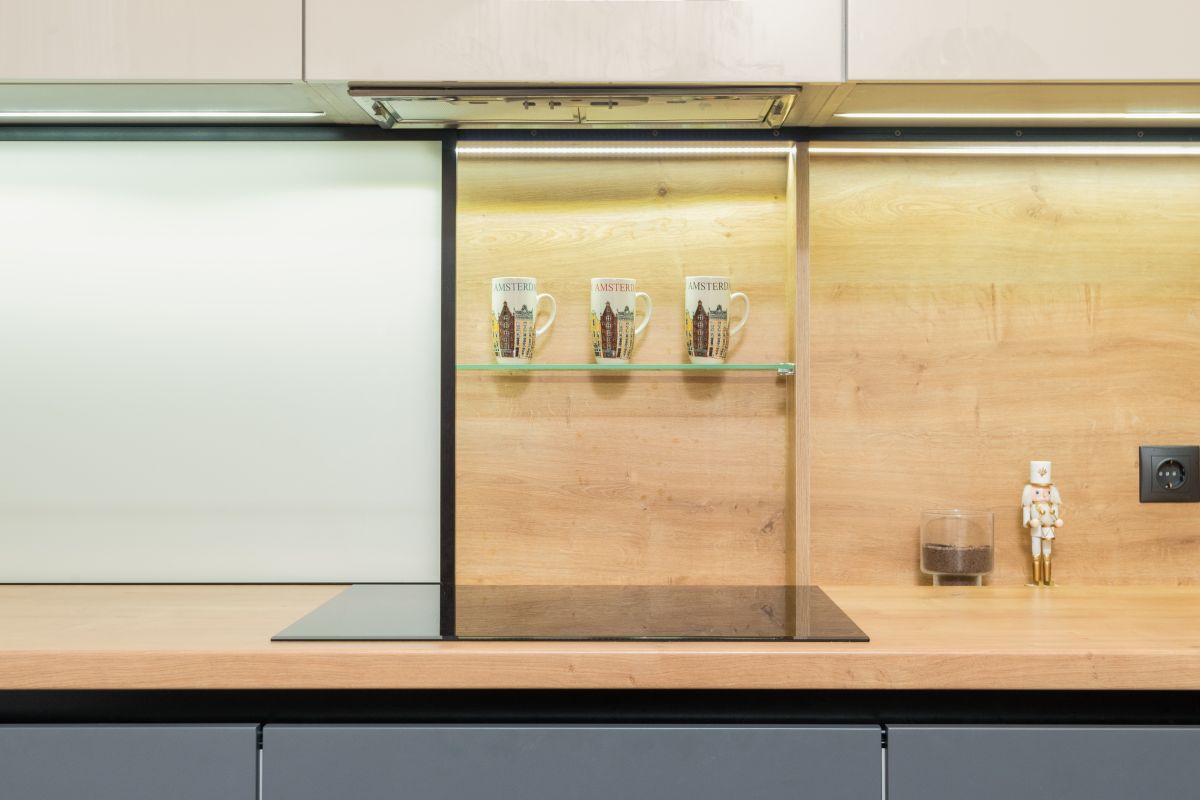
- Then plan the interiors. On our first site visit to a new flat, we measure every room and mark the gas point, sink drain and chimney duct. We also look for columns in kitchen corners, which shape the modular kitchen layout more than most people expect.
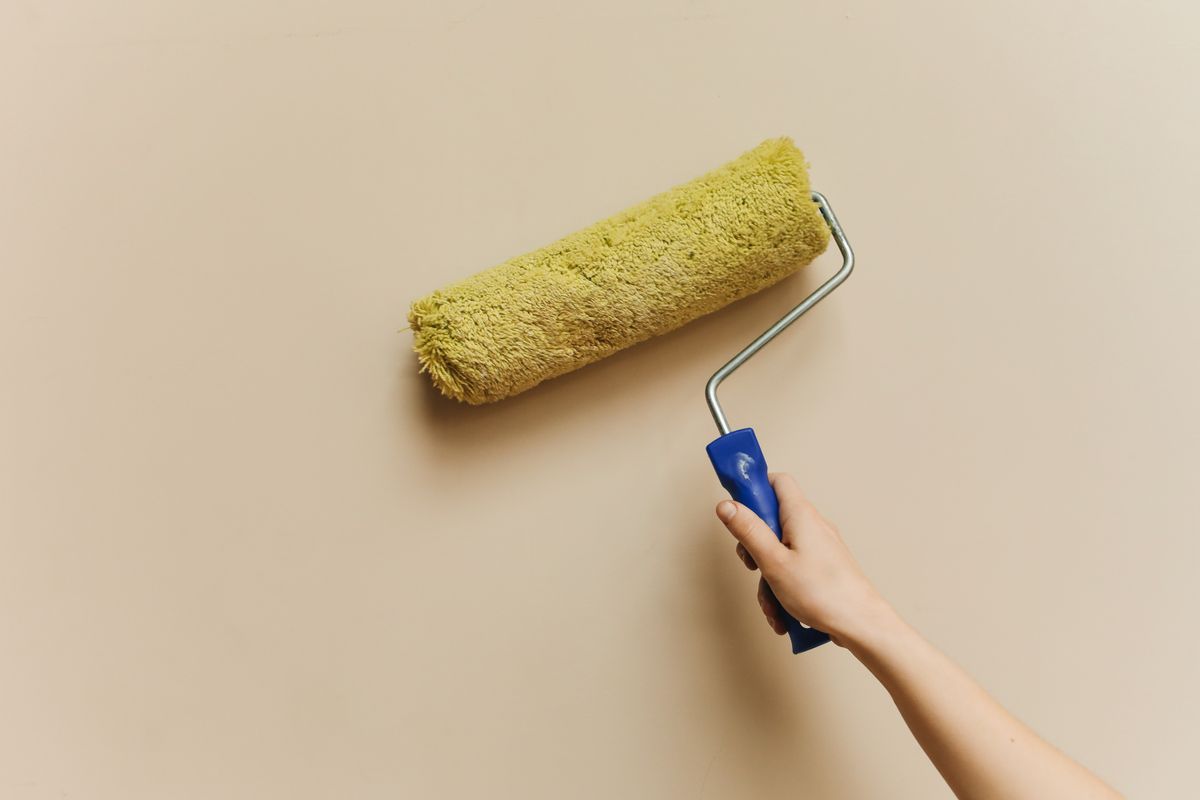
- Sort damp and civil changes before paint. Any wall changes, extra plumbing or waterproofing belong in the civil work stage. Painting comes last, once the dust has settled. When you get there, our guide to the right paint finish for each room saves a second trip to the paint dealer.
One thing we will say plainly. If you find cracks in a beam, column or slab, or a ceiling that sags, don't call an interior firm first, us included. That is a structural question for the builder, and if needed for MahaRERA, the state's real estate regulator. Interiors can wait until it is resolved.
Once the shell is sound, the interior design work can start from a clean, measured base.
Frequently asked questions
Is there a flat possession checklist for Maharashtra under RERA?
RERA doesn't give you a checklist, but it does give you a protection. Report structural or workmanship defects to the builder in writing within five years of possession. The builder must then fix them within 30 days at no extra charge. Inspect carefully on handover day and keep dated records.
What documents should I check before taking possession of a flat?
At the least, ask for the possession letter, a copy of the Occupancy Certificate, your agreement for sale and receipts for your payments. Collect every key and note the meter readings. If anything is missing, ask about it before you sign.
Should I take possession if I find defects?
Many owners do, after listing every defect in writing and sharing the list with the builder. Keep photos and a dated copy for yourself. If the defects are major, or the Occupancy Certificate is missing, get proper advice before signing.
How soon after possession can interior work start?
Start once the builder's repairs are done and you have re-checked them. The work itself begins with a site visit and measurement. Check your society's rules on work hours and moving materials before anyone arrives.
Should I paint a new flat before interior work?
Usually not. Carpentry and civil work mark the walls, so the final coat goes on at the end. Fix damp patches and cracks first, then paint once everything else is in place.
Do you check new flats in Kharghar before interior work?
We offer a free site visit in Kharghar, Taloja, Kamothe, Belapur and across Navi Mumbai. On that visit, we measure up and point out any damp patches, cracks or hollow tiles we notice. You can then raise them with the builder. It is not a formal structural survey. Structural questions belong with the builder or a structural engineer.
Planning interiors for your new flat?
Gulab Jangid opened Sejal in 2009 and still runs it from Shop No. 3, Devdarshan Complex, Kesar Symphony, Sector 19, Kharghar. One team handles design, civil work, kitchens, furniture and painting, so you deal with one point of contact. Send Sejal Interiors your flat's details through the contact page. We'll fix a free site visit to plan new flat interiors in Kharghar or anywhere in Navi Mumbai.