Granite, Quartz or Steel? Choosing a Kitchen Countertop for Indian Cooking in Navi Mumbai
Granite, quartz or steel kitchen counter in Navi Mumbai? What turmeric, a hot kadhai and daily cooking do to each. Book a free site visit with Sejal Interiors.
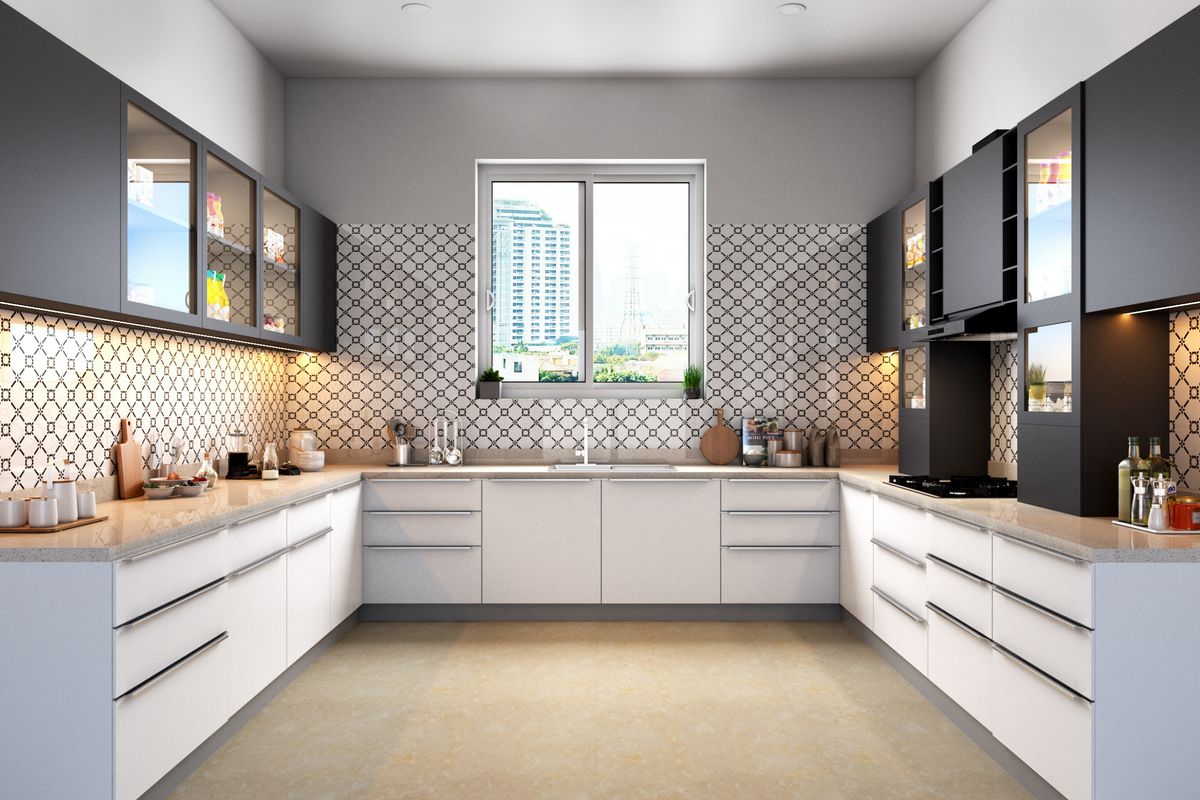
Photo: Pexels/Houzlook.com
Think of an ordinary Tuesday evening in your kitchen. Turmeric lands on the counter while you tip dal into the pan. A hot kadhai comes off the flame and has nowhere else to go. Someone drops the mixer jar a little too hard. Whichever kitchen countertop material you pick, it has to survive all of that, every day. At Sejal Modular Kitchen And Interiors in Sector 19, Kharghar, we choose counters by walking through a day of cooking, not by looking at samples.
The short answer
Most Navi Mumbai kitchens do well with granite or quartz. Steel suits a few cooks very well and many people badly.
Pick granite if you put hot pans straight onto the counter and don't mind sealing it now and then. Pick quartz if you want a counter that shrugs off turmeric and oil and you can keep hot vessels on a trivet. Pick steel only if you want a working counter that you treat like a professional kitchen.
Granite or quartz for a kitchen platform in India
Granite is natural stone, cut and polished. Quartz is a manufactured slab made mostly of crushed stone held together with resin. That one difference explains almost everything below.
Turmeric and oil stains
Granite has tiny pores. Left unsealed, it can take in turmeric, oil and tea over time. A sealer fills those pores, and the sealer needs refreshing every so often. Ask whoever supplies the slab how often, because it differs by stone.
Quartz has no real pores to speak of, so turmeric wipes off with a damp cloth. If your cooking is heavy on haldi, chilli and oil, and you don't want a sealing routine, this is the strongest argument for quartz.
Heat from a tawa or kadhai
This is where Indian kitchens differ from the brochure kitchens. Granite is stone, and a hot vessel does not bother it the way it can bother resin. Most people with granite put a hot pan down without a thought.
On quartz, the resin is the weak spot. Direct heat can mark or discolour the surface. If you choose quartz, keep a trivet or a heavy board next to the stove and make it a habit. A habit is easy to break at 8 pm with guests waiting, so be honest with yourself about whether you will keep it.
Scratches, edges and joints
Both materials are hard, and neither is a chopping board. Use a board anyway, because a knife on the counter dulls the knife long before it harms the slab.
What shows more is the joint. An L shaped kitchen platform is usually made of more than one slab, and a joint near the sink is the place water will find. Ask where the joints will fall before the slab is cut.
Where stainless steel counters fit
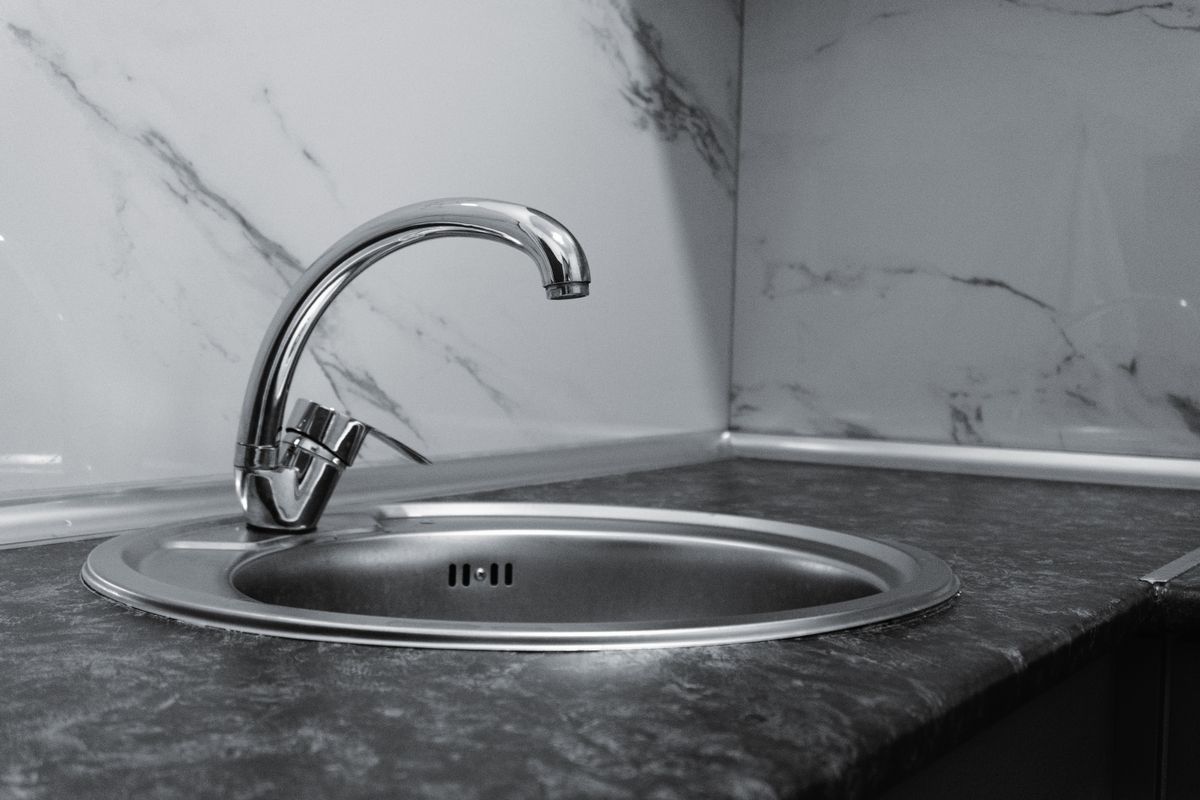
A steel counter is common in commercial kitchens, and some home cooks swear by it. Hot pans go straight down. Spills wipe clean. There is no sealing and no staining.
The downsides are mostly about living with it. Steel scratches in fine lines that you will see in the light. It is loud when you put things down. It looks like a restaurant, which some people want and some find cold. In a family kitchen with a modular finish elsewhere, a full steel top can look out of place.
A common middle path is steel only where it works hardest, such as a section next to the stove or a sink unit, with granite or quartz elsewhere.
The part under the counter matters as much
A good slab on a weak base is a waste. The counter sits on the carcass, and the carcass sits on the wall and floor. If the cabinet below the sink swells in the monsoon, the slab joint above it moves.
We covered how to choose the board for that base in our post on plywood, MDF and HDHMR. Checking for the BIS mark on plywood is worth doing here too. The sink cabinet, in particular, needs the most damp tolerant board in the kitchen.
Also check the wall behind the counter. Seepage or a leaking pipe in an old chase will spoil a new platform. If the wall needs work first, our civil work team can sort it out before the counter goes in.
How to decide in your own kitchen
You can do this with a pen and a bit of paper, before you visit any showroom.
- Write down how you cook. Do you make dal, sabzi and roti daily, or mostly reheat and assemble? Heavy tadka cooking points to quartz for stains and granite for heat, so you need to know which problem is worse for you.
- Mark where hot vessels land. Next to the stove, on which side, and how often. If the answer is "anywhere", lean towards granite.
- Be honest about maintenance. If you will never reseal anything, choose quartz or a well sealed granite from the start and ask about the sealer used.
- Look at the slab, not the sample. Samples are small. Natural stone varies a lot from one slab to the next, so ask to see the slab you are paying for.
When you don't need to worry about any of this
- A kitchen you rent out or plan to sell soon. A plain, mid range slab is enough. Nobody pays extra for a perfect counter at handover.
- A small second kitchen or pantry with light use. Almost any material will be fine.
- A kitchen where the existing platform is sound. If it is level, the joints are tight and the stains are only on the surface, polishing or resealing may be all you need. Replace it only if it is cracked or the base is failing.
What to ask before you approve the counter
Ask your designer four things. Which material, and how thick? Where do the joints fall? How is the sink cut out and sealed? And what is the care routine, in writing? After a free site visit, Sejal Interiors sends a written quotation that names the material and the cutout details, so you can compare it line by line.
Frequently asked questions
Which is better for an Indian kitchen, granite or quartz?
It depends on how you cook. Granite handles hot vessels well and needs occasional sealing. Quartz resists turmeric and oil stains but can mark under direct heat, so it needs a trivet.
Can I put a hot pan on a quartz counter?
It is best not to. Quartz contains resin, and direct heat can mark or discolour it. Use a trivet or a heavy board next to the stove.
How often should granite be resealed?
It depends on the stone and the sealer. Ask your supplier for the interval in writing. A darker, denser stone usually needs less attention than a lighter, more porous one.
Does turmeric stain a kitchen countertop?
It can stain a porous surface such as unsealed granite. Wipe turmeric up the same day. Quartz usually wipes clean with a damp cloth.
Is a stainless steel counter a good idea at home?
It can be, if you like a working kitchen look. It takes heat and spills without trouble, but it scratches and can be noisy. Many homes use it only near the stove or sink.
What kitchen platform works best for Kharghar flats?
Most Kharghar flats have compact kitchens, so granite or quartz in a plain colour works well. Match the base cabinets to the humidity, because the board under the counter matters as much as the top.
Planning a kitchen in Navi Mumbai?
Gulab Jangid opened Sejal in 2009 and still runs it from Shop No. 3, Devdarshan Complex, Kesar Symphony, Sector 19, Kharghar. Our modular kitchen team plans the counter, base cabinets and wall together, and our custom furniture team builds the storage around them. The hob above that counter needs a plan too, so read how we choose a kitchen chimney and its duct route, and how we plan the kitchen sink below the counter. Send your flat's details through the contact page, and we'll fix a free site visit.